Catching Up with Pilot Grant Recipients Bre Biondi and Fiona Gispen
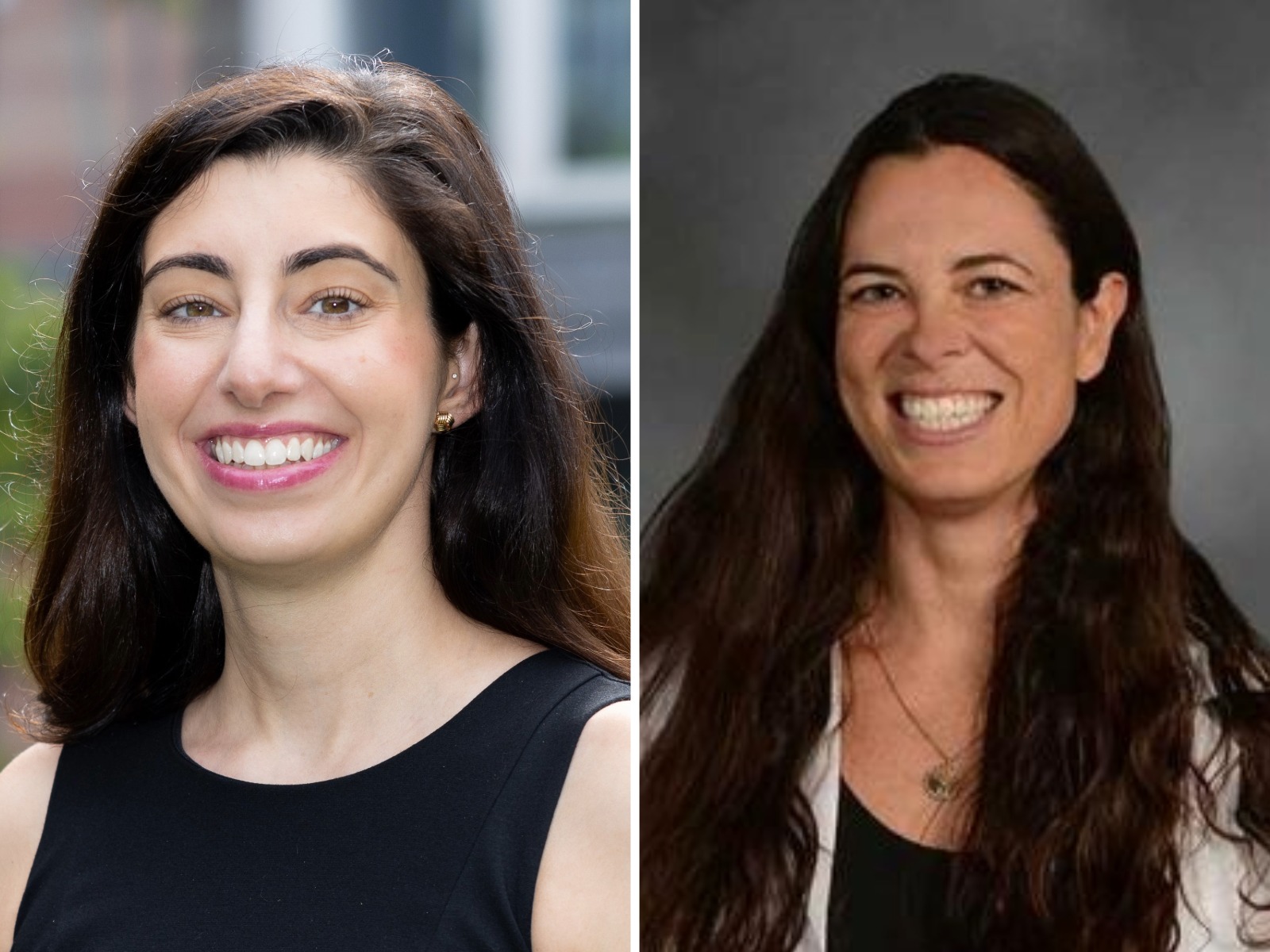
The CHERISH pilot grant application for the 2026-2027 funding period is open. In preparation for this 12th cycle, we invited Breanne (Bre) Biondi and Fiona Gispen, CHERISH pilot grantees from the 2024-2025 cohort, to reflect on their overall experience and share tips on preparing the pilot grant application. CHERISH Pilot Grant Director Brandon Aden, Senior Research Program Manager Jared Leff, and Communications Manager Bonnie Tse also discussed the role they play in supporting applicants and pilot grantees. Read the highlights of the conversation below or catch the full recording.
The responses have been edited for clarity.
Tell us about yourself and at which point in your career did you receive your pilot award?
Fiona Gispen: I am currently an instructor of infectious diseases at Weill Cornell Medicine (WCM). When I got my pilot grant, I was a 3rd year infectious diseases fellow at WCM, completing my research year of the fellowship.
Bre Biondi: I am currently a postdoc at the University of Chicago where I’m conducting research focusing on Medicaid enrollees and managed care organizations (MCO). When I received my award in 2024, I was a PhD candidate working on my dissertation. Most of my pilot grant funding was used to purchase data for my dissertation which looked at postpartum HCV care after the Families First Coronavirus Response Act (FFCRA).
What preliminary findings can you share from your pilot investigation?
Gispen: For my project, I used nationwide Medicaid data to look at drug use associated-infective endocarditis in people who use drugs. The initial plan was to conduct a comparative-effectiveness study to compare different types of antibiotics, such as IV and oral, to no antibiotics, on various health services outcomes, like readmissions and mortality. During the project, I pivoted to focus on patient-directed discharge. We basically found that about 20% of patients had patient-directed discharge and only 15% of these patients filled antibiotics after discharge; odds of readmission were much lower if they filled. This finding supports clinical interventions like providing medication at bedside at the time of discharge or using long-acting antibiotics prior to discharge.
Biondi: During the COVID-19 Public Health Emergency (PHE), the FFCRA prevented states from disenrolling Medicaid enrollees, including postpartum enrollees. So essentially, pregnancy-related Medicaid coverage changed from 60 days to one-year postpartum. I found that after the policy change, treatment for HCV increased. It’s quite interesting because prior research found that among everyone with HCV, treatment rates declined during the COVID-19 pandemic.
One eligibility component is to be nominated or mentored by a CHERISH researcher. How did you meet your sponsor and how were they involved in the pilot grant application?
Gispen: My sponsor was my WCM fellowship mentor, Dr. Shashi Kapadia. He is an assistant professor in the Department of Population Health Sciences at WCM, a previous CHERISH pilot grant recipient, and continues to work with CHERISH. I worked closely with him to solidify my idea and aims and put the grant application together. I had no prior experience applying for a grant, so I learned a lot throughout this process. Shashi’s mentorship was invaluable.
Biondi: Similar to Fiona, I had known and worked with my sponsor previously. My sponsor was Dr. Rachel Epstein, who was also part of my dissertation committee. I met her years prior and we had been collaborating on a handful of projects. She was heavily invested in helping me write the grant and make edits alongside other committee members. It was nice having a handful of mentors to help me with everything.
Grantees can spend their funds on a range of things, as long as they are allowable by NIH. How did you spend your budget, and, if your project changed, how did you reallocate funding?
Gispen: I was on an NIH T32 research grant while I had the CHERISH grant, so I didn’t have to allocate funding for my time. However, I had a research analyst. So, we paid a portion of his time through the grant. I also budgeted for publication fees, conference registrations, and travel, which then paid for my attendance at ID Week this year. My funding allocation didn’t change throughout the year.
Biondi: A large part of my budget was used for data acquisition. I wasn’t funded for the fifth year of my PhD, so I used some of my CHERISH pilot grant to fund my time. I also allocated funds for general technology which helped me get a new laptop battery. I budgeted for conference and travel fees, but I didn’t get a chance to do that.
What outcomes have you had or can anticipate from your pilot grant?
Gispen: I presented an abstract of my project at ID Week 2025 and at an internal Weill Cornell conference. I plan to submit my manuscript to an infectious disease journal and am applying for a K award and two pre-K awards at Weill Cornell. I’m definitely using the experience and skills that I gained during the CHERISH grant period to support my grant applications.
I also had no experience using Medicaid data prior to this. So, I had a lot of support from my mentor and our data analyst. I’m hoping to continue using Medicaid data analysis in my K award and future applications.
In terms of soft outcomes, during our mid- and end-of-year presentations, I met multiple people outside of my institution who share my interests. It was great to chat with them about research ideas, and I hope to collaborate with them in the future.
Biondi: My first goal was to finish my dissertation, which was completed in July, so that is very exciting! I’m working on conference presentations and aiming to submit my dissertation paper by the end of the year.
As for soft skills, working with people like Bonnie, a communications manager, and Rachel, my mentor, as well as other news groups to get your work out there or learn how to promote your work was incredibly beneficial. I also had a lot of meetings with Brandon and Jared who were super helpful.
What piece of advice would you give to applicants thinking about their projects?
Biondi: There was a lot of back and forth with Boston University about my budget and it was very confusing. CHERISH seems to be very flexible but I would say to work closely with your home institution to understand what they allow or do not allow for your budget.
Gispen: A lot of this work is based at Weill Cornell, so I didn’t have as much difficulty with the budget or administrative tasks. I would say, once you find a mentor, take advantage of your mentor and work very closely with them to put together your application. Pay attention to the relevance section and either mirror the special topics or the NIH priorities. Take advantage of the network, particularly at the mid-year and end-of-year meetings, because you can get a lot of out of that for your career going forward.
Brandon Aden: Yes, for many people who apply to our pilot grants, it is their first time. There is a steep learning curve in the application and budgeting process, which we completely understand. Even after awards are issued, there can be complications with subcontracts and other administrative components. We’ll work with grantees to help them through that. It is a learning opportunity, particularly for those early in their career, but that’s one of the nice things about the pilot grants.
To be considered for the upcoming cycle from 2026-2027, applicants should submit a Letter of Intent (LOI) no later than Friday, January 9, 2026. If you have any questions, check out the updated FAQs or contact us.